
( images source from internet )
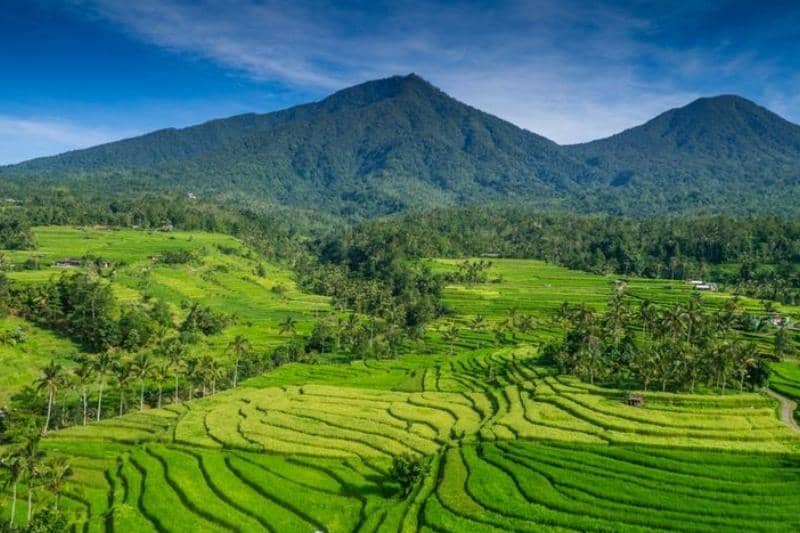
Nestled in the heart of Bali’s Tabanan Regency, the Jatiluwih Rice Terraces offer a breathtaking glimpse into the island’s agrarian culture and natural beauty. Recognized as a UNESCO Cultural Landscape since 2012, this expansive area spans over 600 hectares of meticulously cultivated rice fields and reflects the traditional Balinese philosophy of Tri Hita Karana, which emphasizes harmony between humans, nature, and the divine.
Located approximately 700 meters above sea level, Jatiluwih enjoys a cool and temperate climate, making it ideal for rice cultivation throughout the year. The region is best known for its ancient subak irrigation system—a cooperative water management method that dates back to the 9th century. This system, which relies on community consensus and spiritual practices, has been instrumental in preserving the sustainability and productivity of Balinese rice farming for generations.
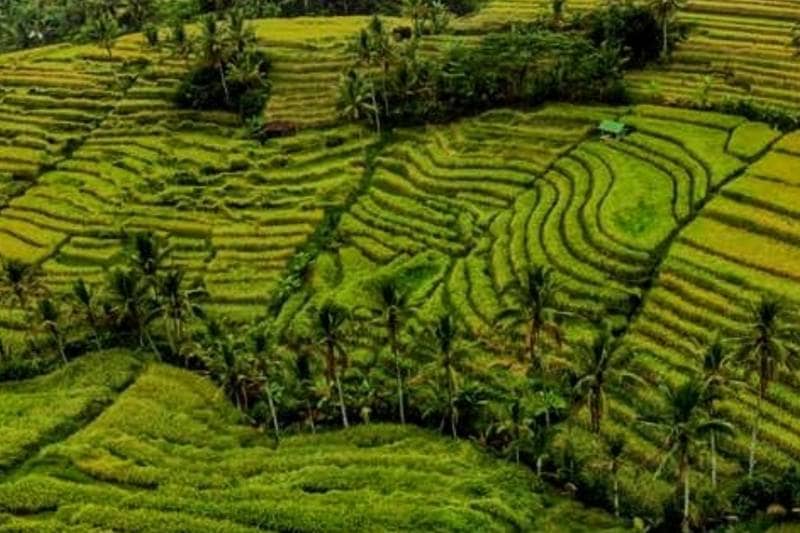
The word “Jatiluwih” is derived from two Balinese words: jati, meaning “real” or “true,” and luwih, meaning “beautiful” or “excellent.” Indeed, the area lives up to its name with terraced fields cascading down the slopes of Mount Batukaru, creating a patchwork of green that shifts in color with the seasons. From vibrant greens during planting to golden hues at harvest, the landscape is a living canvas that changes with time and weather.
Visitors to Jatiluwih are not only treated to visual splendor but are also offered an immersive cultural experience. Several trekking and cycling paths wind through the terraces, providing opportunities for travelers to observe local farmers at work, engage with traditional agricultural techniques, and enjoy panoramic views of the surrounding highlands. Many choose to visit during the planting or harvesting seasons to witness the full rhythm of rural Balinese life.
( images source from internet )
The region is also home to several temples and shrines that reflect the spiritual dimension of Balinese farming. Among them, the Pura Luhur Petali is particularly significant, serving as a place of worship for farmers seeking blessings for successful crops. Rituals and ceremonies are frequently held in conjunction with agricultural cycles, further illustrating the interconnection between spiritual practice and daily life.
Efforts to promote sustainable tourism in Jatiluwih have been largely successful. Local communities actively manage visitor access and promote eco-friendly activities that support both conservation and cultural preservation. Entrance fees collected from tourists are reinvested into infrastructure improvements, environmental conservation, and community development, ensuring that tourism benefits are shared equitably.
Despite its growing popularity, Jatiluwih remains relatively unspoiled compared to more commercialized destinations in Bali. Its remote location and emphasis on sustainability have helped preserve its authenticity and appeal. Whether one is a nature enthusiast, cultural explorer, or simply in search of tranquility, Jatiluwih offers a serene escape that encapsulates the essence of Bali’s harmonious relationship with nature.
In conclusion, the Jatiluwih Rice Terraces stand as a testament to the ingenuity, resilience, and spirituality of the Balinese people. As both a cultural heritage site and a natural wonder, Jatiluwih continues to inspire and educate, offering a unique perspective on sustainable living in harmony with the environment.